





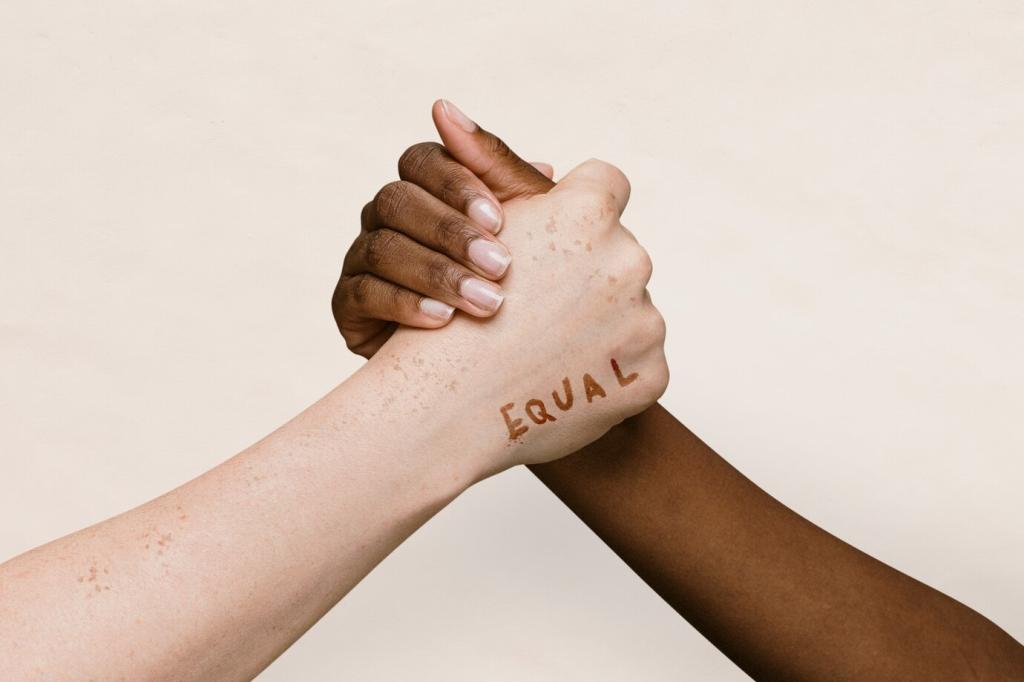


How Grassroots Movements Drive Economic Parity

Chosen theme: How Grassroots Movements Drive Economic Parity. From neighborhood kitchens to city halls, ordinary people are reshaping local economies with courage, data, and solidarity. Join us, subscribe, and share your story to help build a fairer future together.

Listening Posts and Kitchen Tables

It often starts with small gatherings—church basements, community centers, and kitchen tables—where neighbors map rent spikes, food deserts, and wage gaps. These listening posts transform frustrations into shared agendas and invite new volunteers to take the first step.

Mapping Power and Building Coalitions

Successful campaigns chart who decides, who benefits, and who is missing. Tenants, street vendors, students, and elders join forces, aligning goals so no single group carries the burden alone, and every victory spreads equitably across the community.

Turning Demands into Drafted Policy

Petitions become policy when residents partner with legal clinics and sympathetic legislators to draft clear proposals. They set timelines, identify funding sources, and collect testimonies. Tell us which policy you need most—and invite a friend to comment as well.

Proven Models That Narrow Gaps

When employees own the business, profits are reinvested in decent wages, training, and community stability. Co-ops anchor jobs that cannot be outsourced easily, and give workers voice in decisions that shape schedules, safety, and the future of their families.

Proven Models That Narrow Gaps

CLTs remove land from speculation, ensuring permanently affordable homes and spaces for small businesses. With community governance, long-term residents can stay, local entrepreneurs can grow, and cultural anchors remain intact despite market pressures.

Financing Justice from the Ground Up

Credit Unions and CDFIs Put Community First

Mission-driven lenders offer fair rates, financial coaching, and patient capital. They see potential where conventional banks see risk, financing worker co-ops, affordable housing, and local enterprises that return value to neighborhoods rather than extract it.

Rotating Savings Groups Build Trust and Liquidity

Informal lending circles pool small contributions into life-changing loans. The model strengthens relationships while bypassing predatory fees. If your group has tried this, share what worked, and help others start a savings circle with confidence and care.

Digital Organizing, Real-World Equity

Not everyone has broadband, but almost everyone can receive a text or voice note. Layer SMS updates with phone banks and printed flyers so residents without smartphones still shape decisions that affect their paychecks and monthly budgets.

Digital Organizing, Real-World Equity

Community mappers visualize food deserts, bus frequency, and code enforcement. These maps make hidden patterns visible to officials and journalists. Share your local map project and subscribe to get our toolkit for ethical data collection and privacy.

Start Where You Stand

Gather five neighbors to pick one issue—wages, rent, transit, or credit access—and set a ninety-day plan. Post your first action in the comments and invite others to join your circle or mentor a new one.

Start Where You Stand

Request your city or school budget, highlight inequitable allocations, and propose a reallocation backed by data and stories. Even one shifted line item can free resources for childcare, apprenticeships, or affordable commercial space.
Proathleteblueprint
Privacy Overview

This website uses cookies so that we can provide you with the best user experience possible. Cookie information is stored in your browser and performs functions such as recognising you when you return to our website and helping our team to understand which sections of the website you find most interesting and useful.